
Supporting your child / young person
Whilst living with a long-term health condition can build incredible resilience, compassion and strength, it can also bring periods of difficulty. Issues such as needle anxiety or feeling different from peers can arise. It is very normal for children and young people living with JIA to question their diagnosis, symptoms and treatment, and at times to resist treatment altogether.
Support is available through many different avenues. Your child’s team may include a dedicated psychologist or play therapist, or they may be referred to one in the wider hospital team. Other therapies may also be available in the community, such as art therapy, music therapy and talking therapies. It is a good idea to seek help as soon as difficulties begin to emerge, as many issues can be addressed early and prevented from escalating. Psychological support should be seen as a very normal and valuable part of treatment for children and young people living with long-term health conditions.
If you are considering asking for a referral (or have already been referred and are waiting for an appointment), you may find the Wellbeing Webinar below helpful, where two psychologists share practical tips on supporting your child at home.
Support for parents / carers and siblings
Parents, carers and other family members, especially siblings, can also find things difficult at times. Again, it is important to seek help or advice as early as possible. Caring for a child with a long term health condition can take its toll and looking after your own mental health and wellbeing is equally important.
Resources and Information for you
On this page, we have gathered a range of relevant resources and information that we hope you will find helpful. We also hope to offer tailored art therapy courses for children and young people living with JIA in the near future and will update this page as soon as these become available.
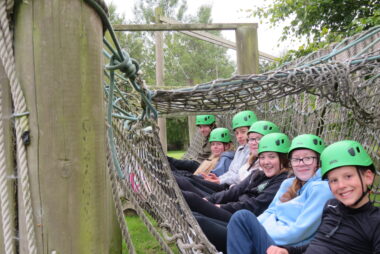
Advice for supporting your child at each stage of their development
We have put together a guide for helping your child through each stage – from infants & toddlers, right up to adolescents.

With You in Mind
A Psychological perspective on coping with life with JIA.
Tips & Tricks Leaflets
By parents for parents.
Together with JIA parents, CCAA have created some Tips & Tricks leaflets.
Wellbeing Leaflet
As part of our collaborative work with other charities on mental health and wellbeing support for families we have produced this leaflet with top tips and links to a wealth of useful resources.
Webinars
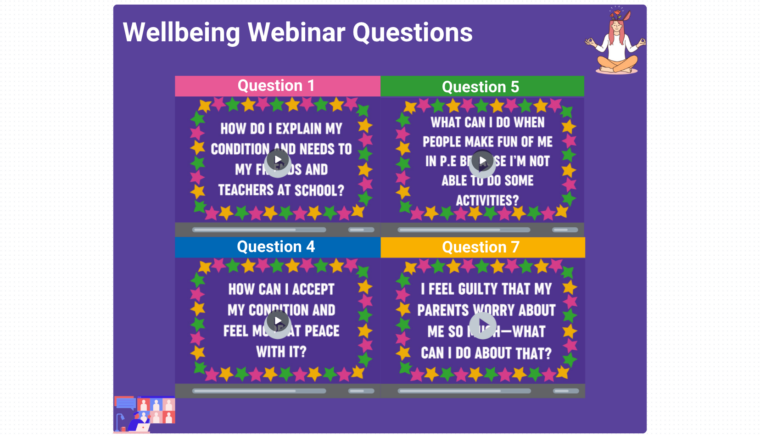
‘Boost Your Wellbeing’ Webinar Resource for Young People (13-17)
In March 2025, a group of charities offered an online social for young people with rheumatic conditions aged between 13 and 17. Here you will find a recording of John, a psychologist who works in rheumatology, answering 4 important questions that were submitted by young people:
- How do I explain my condition and needs to my friends and teachers at school?
- How can I accept my condition and feel more at peace with it?
- What can I do when people make fun of me in PE because I am not able to do some activities?
- I feel guilty that my parents worry about me so much – what can I do about that?
Watch and listen to John’s advice here.
Wellbeing Webinar – Psychology Top Tips for Parents/Carers
During 2023, CCAA were part of a Wellbeing Webinar with our friends at Arthritis UK and other charities. The webinar is about living with a rheumatic condition when young. During the webinar, two psychologists give a wealth of coping ideas, strategies and tips to help support the wellbeing of children, young people and their families. If you missed it don’t worry because we have the recording right here for you to watch at your leisure. Simply click here for the Wellbeing Webinar.
Thank you to all the charities and Health Professionals that helped to deliver such a fantastic resource for children, young people and families living with rheumatic conditions.
Resources for Anxiety
This fantastic resource from the research network ‘Emerging Minds’ is not specifically about rheumatology but more about supporting our children and young people with any anxiety they might have.
If you click on the link there is an ‘Advice for Parents & Carers PDF‘ which you can download. It has lots of advice and links to further resources for all age groups and also for supporting children and young people with specific needs.
Useful Links
Some people find that reaching out to others can help. CCAA have a network of local friendly support groups run by volunteer parent reps. In the groups we share experiences, offer mutual support online and in person and arrange regular meet ups for the whole family in your local area. You can find your local group here.
If you are experiencing problems with your mental health, supportive and reliable information can change your life. Mind help empower people to understand their mental health and the choices available to them. Click here to get in touch.
The Help for Parents website is for parents and carers supporting a young person with mental health problems. It aims to help you to help your young person by directing you to sources of support, advice and information.
The CAHMS Resources site site was created for young people, carers and professionals to pool together lots of helpful resources from across the internet that are available to help support yours and your child’s mental health and well-being.
Young Minds supports mental health in young people. Whether you want to understand more about how you’re feeling and find ways to feel better, or you want to support someone who’s struggling, they can help.
Listening Books is quick and easy to use service and opens up the wonderful world of books for people with an illness or condition that impacts on their ability to read the printed word. This could be a specific learning difficulty such as dyslexia, a mental health condition like anxiety, a visual impairment, or a physical condition that makes it more difficult to hold a book, such as arthritis.
Mindful Colouring for Children

Percy
Oli
Poly