
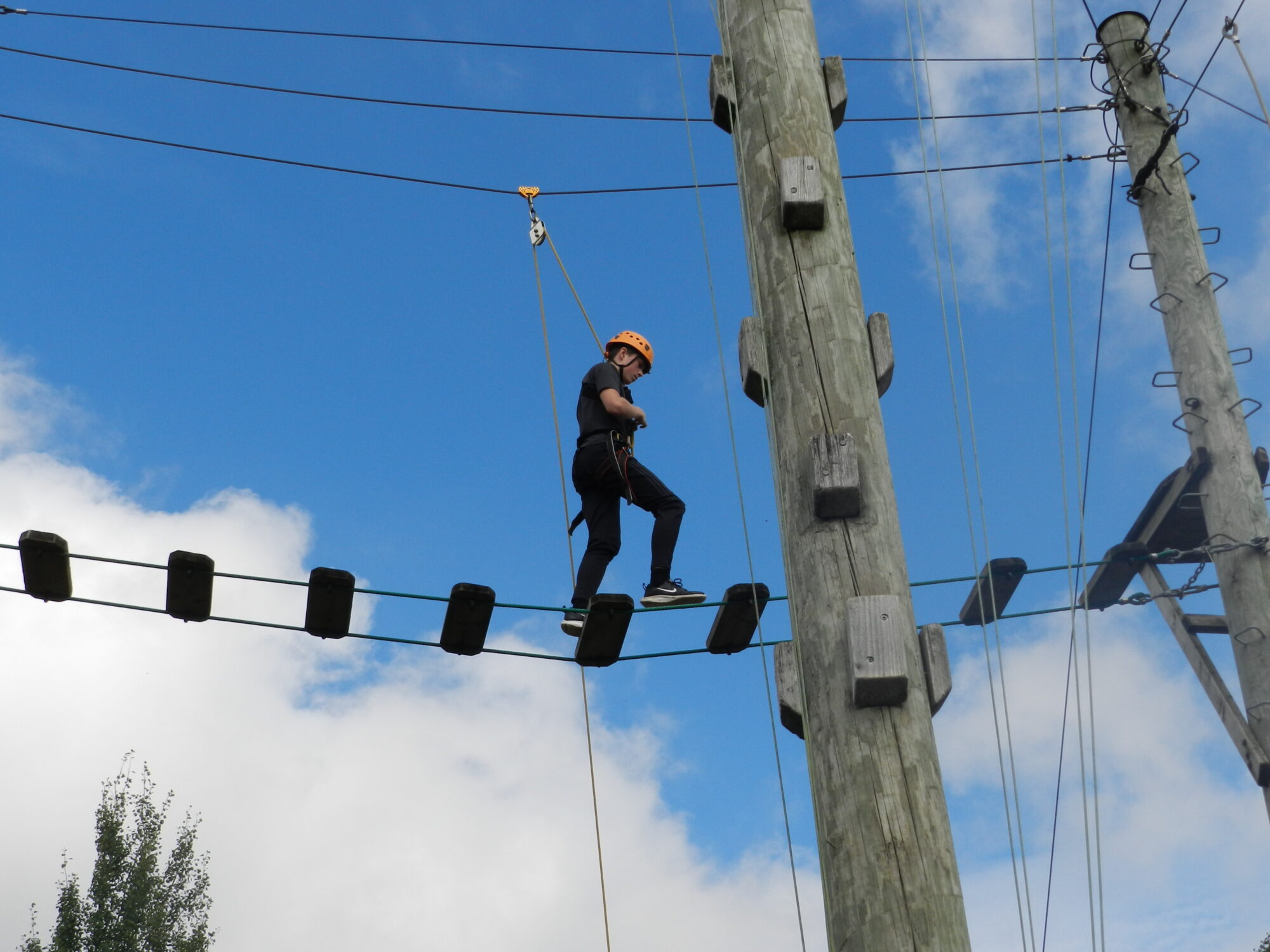
Transitional care in rheumatology is this “nurturing process” which promotes positive youth development.
Dr Janet McDonagh
What is Transition?
Moving to adult care should be a gradual process not a one off event. This process is also known as ‘transition’ or ‘transfer of care’. You may hear any of these terms throughout this page. How and when the move to adult care happens does depend a bit on how the services are set up in the hospital or geographical region where you are treated. We hope the information below will be helpful to you and your family wherever you live.
We all experience many transitions in our lives whatever our age but health transition for young people and their families means the process of addressing the medical, psychological, social, and educational-vocational needs of young people (11-24 year olds) with long term health conditions such as JIA as they move from child-oriented to adult-oriented life-styles and systems.
It is best compared with the move (or transitions) from primary to secondary school and then later from school to university or work– important positive steps for young people whilst acknowledging that secondary school/university/work are very different environments which require a wide range of knowledge and skills which should be nurtured during adolescence.
Transitional care in rheumatology is this “nurturing process” which promotes positive youth development and provides the education and skills required as well as providing opportunities for young people to put these skills into practice thus preparing them for the world of adulthood. Transitional care should also address the needs of the parents of such young people during this process.
When should Transition actually start?
Transition is a lengthy process, which ideally should begin as the young person enters adolescence, usually when they move into secondary school. Your child doesn’t stay in primary school forever, so likewise they won’t stay in paediatrics forever, and transition is all about the preparation for growing up, including their eventual move into adult-centred health services, which usually occurs in late adolescence.
When should Transition actually end?
Transition does not end when they leave the paediatric clinic (“transfer”) but ends once the young person is engaged in the adult health care system and independently managing their own health within their capacity to do so. This usually is in the mid twenties when we know the adolescent/young adult brain is fully matured.
What is the difference between transition and transfer to adult care?
Transfer is an event within the transition process when the young person moves from paediatric into adult care. Ideally there is no fixed age for transfer as this will depend on several factors e.g.
- Age
- Maturity
- Level of independence
- Whether the young person feels ready
- Availability of adult rheumatologist
- Medical status*
* Medical status – it is best to transfer a young person with JIA when they are going through a good phase i.e. in remission.
What are the aims of transition in the rheumatology clinic?
The aims of transition are:
- To ensure that health care is co-ordinated, uninterrupted and comprehensive, appropriate to the age and maturity of the young person;
- To promote skills in communication, decision-making, assertiveness and self-care;
- To enhance sense of control and independence of healthcare.
Who is involved in Transition?
Everyone! And that includes the young person with JIA, you – their family, the rheumatology team and any other medical teams involved such as ophthalmology, their GP, their school, community services and even voluntary agencies.
Each young person is an individual with a unique personality and special interests and likes and dislikes. Similarly, JIA affects young people differently too. However it is helpful for parents of such young people to have some understanding about normal adolescent development and how it can be affected by JIA.
There have been major advances in recent years in the understanding of adolescent brain development and it is now known that the brain continues to develop into the mid twenties ie the adult brain does not miraculously form at age 16 or 18 in spite of the legal definitions!
Useful reading for parents are listed here:
- TED talk by Professor Sarah Jane Blakemore “The mysterious workings of the adolescent brain
- Inventing Ourselves. The secret life of the teenage brain. Sarah-Jane Blakemore (2018)
Understanding their brains as well as their social support networks helps all of us – parents and health professionals like, to communicate, engage and support young people better.
Similarly, just as little children have milestones such as when they start talking and walking so adolescents have milestones although more difficult to define. They are:
- Finding out who they are (ie to establish his/her own identity including their sexual identity)
- To establish relationships outside the family
- To become more independent from their parents
- To find a vocation and something to do with their lives.
Alongside this they are negotiating the transitions from…
- A child body into an adult body – ie puberty
- Primary to secondary school then on to work or further education and/or training
- And eventually from family home to independent living
– a busy time for even the healthiest of young people!
For young people with conditions like JIA, another transition is from child centred health services to adult centred health services – including in rheumatology.
Some rheumatology clinics use checklists to help young people, and parents start thinking of this area of health care and the knowledge and skills they will need as they grow up. One example of these is the Ready Steady Go checklists, which actually started life in a large rheumatology research programme CCAA was involved in 2001-2004 , and the items were issues identified by young people with JIA and parents who participated in that research in 10 paediatric rheumatology centres across the UK. The checklists have since been adopted by the Ready Steady Go programme , which is freely available online and worth a look.
It may be that transitional care has already started without transition actually being mentioned, e.g., being encouraged to take charge of their medication or self-inject; being encouraged to spend some private time with health professionals to practice talking to professionals themselves. If your child is an adolescent, i.e., from age 11 years, do ask your rheumatology team about when transitional care planning will start, as ideally it should start during early adolescence.
Useful Practical Advice
If young people like your son/daughter, are going to become independent in looking after their own healthcare, they need to be able to deal with health professionals. However, for many young people, this is easier said than done! Young people often know what they want to say, but do not always have the confidence or skills to do it.
Clinics can be busy and/or intimidating places and transferring the balance of care from you to your child is not always easy for the young person, you their parent(s) or indeed the health professional sometimes! Developing and practising useful skills to help this process along are important for all concerned so everyone can get the most out of the appointment. Here are a few suggestions that may help:
Prepare for the clinic visit
Sit down with your son/daughter the night before and find out what concerns they have.
- Encourage them to use the Arthritis Tracker app so they can show the health professional a summary of their symptoms since last seen.
- Write down a list of both their concerns and yours to take with you – especially if they are going to spend some time alone with the professional. Young people will never remember what to ask if they are not given a chance to practice!
- If your son/daughter are being seen alone for part of the visit, think of any questions you might like to discuss with another team member, without your son/daughter around. You might appreciate independent visits too!
- Make a plan with your son/daughter of the role you, their parent will play during the clinic visit e.g. who will ask which questions. If your son/daughter has just started this process of becoming more independent, decide 1 or 2 questions that they will ask to start off with. Developing effective communication skills for the adult world are vital for all young people – the rheumatology clinic is a safe environment to start developing and practising these.
- Encourage your son/daughter to spend some time alone with the health professional but let them choose when – they will need to gain in confidence in asking questions with you around first as well as feel confident in the health professional. Trying to see the same person in clinic helps this.
During the clinic visit
- Encourage health professionals to direct their conversations to your son/daughter rather than you. If you find they are speaking to you more than your son/daughter you can:
- Make sure your son/daughter is sat slightly in from of you and preferably next to the health professional.
- Change your eye contact – people will continue talking to you whilst you are looking at them. However if you move your gaze from them and look towards your son/daughter, they will also shift their gaze and begin talking to your son/daughter.
- If they ask you a question, redirect it to your son/daughter
- Involve your son/daughter in all the decisions made in the management of their arthritis.
And Remember…
This is a process, it will not happen overnight but may take place over many clinic visits. Practise will make perfect! If the process starts early however, by the time they are young adults they will be independent in their own healthcare and you will be confident in their ability to be so. Allowing your son/daughter to become more independent does not mean you are less involved – it is just you are involved in a different way.
Tips To Help Young People Take Their Own Medications
Nobody likes taking medicines but sometimes they are necessary. Lots of people, young and old, find it difficult to remember to take them. Here are some handy hints to try and help young people remember to take their own medicines rather than depend on their parent(s) to remember.
If you are worried that they will just forget, try letting them look after one of the medicines to start with and see how they go and remember – adults forget too!
An important part of taking responsibility for their own medicines is understanding what they are being used for, their side effects etc. Encourage your son/daughter to ask questions about their medication.
Ways of remembering to take medication!
- Use a reminder tool or a medicine reminder on their phone.
- Set a reminder tool on their phone.
- Try a “don’t forget “sticker on a mirror to remind them.
- Suggest taking medications at the same time as a regular daily activit, like brushing teeth or with meals.
- Plan ahead – get them a water/drink bottle so they can take their tablets anywhere.
- Get them a dosette box they can take if they go out – but they need to remember to fill it up!
- Encourage them to order their own repeat prescriptions from the GP surgery.
- Encourage a good relationship with their doctor and nurse specialist.
If they are having problems with their medicines or are worried about the side effects, do encourage them to discuss this with the doctor or nurse specialist. They may be able to reassure them (and you), offer a solution, or, if necessary, look at an alternative.
Further resources/websites
MyTransition App (Canada)
The app includes tools to help young people describe their health condition, raise important health needs in new situations, and measure skills related to managing their own health.
We are hugely grateful for the time and expertise generously given by the late Dr Janet McDonagh in producing this information and advice for families.